What is the Masonic Tour of Rome?
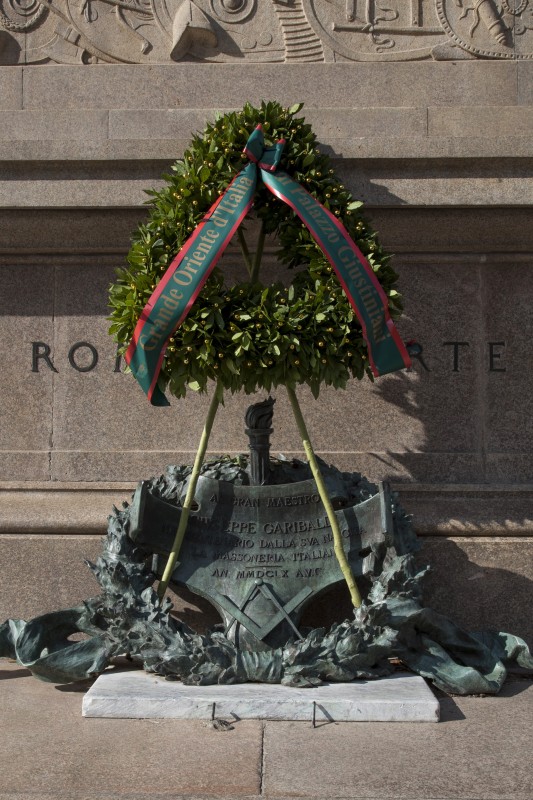
The Masonic Tour of Rome is a unique guided experience that explores the city's hidden symbols, architecture, monuments, and historical locations associated with the history of Freemasonry. Visitors discover how Masonic ideas, symbolism, and influential historical figures have intersected with Rome's artistic and political development.
What is included in the Masonic Tour of Rome?
Most tours include a licensed guide, visits to selected monuments and historic streets, explanations of Masonic symbols found in architecture and public spaces, and discussions about the history of Freemasonry in Italy and Europe.
Is the tour based on historical facts?
Yes. The tour is based on documented historical sources, architectural analysis, and scholarly interpretations. When discussing legends or disputed theories, guides typically distinguish them from established historical evidence.
What kinds of Masonic symbols will I see?
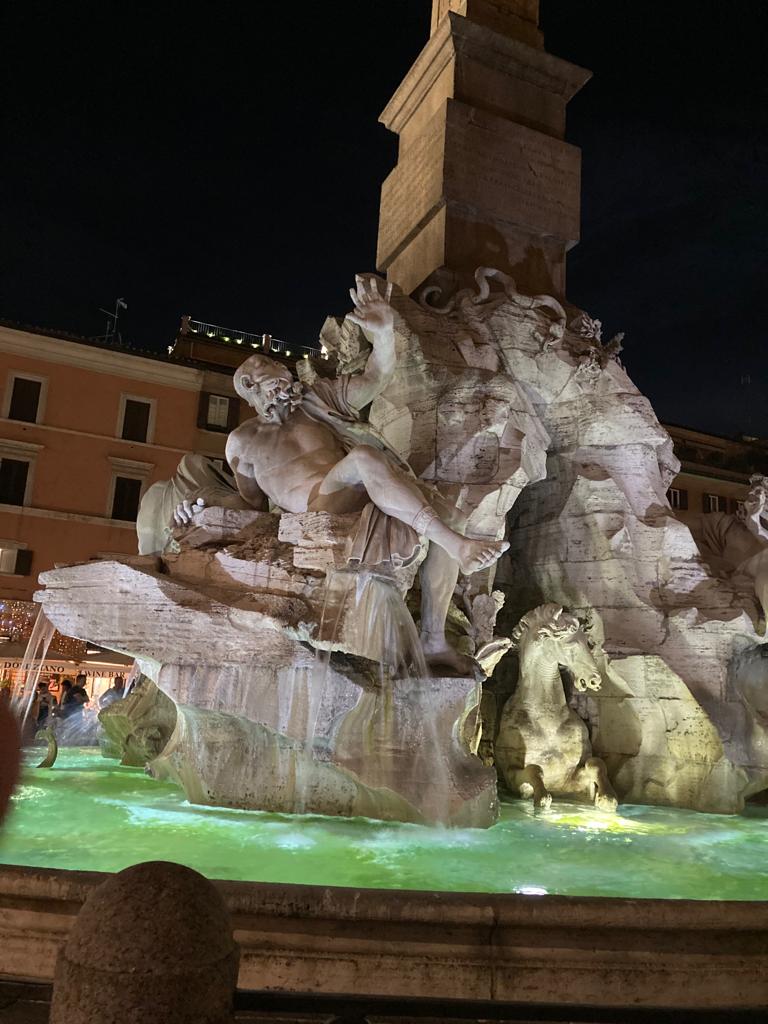
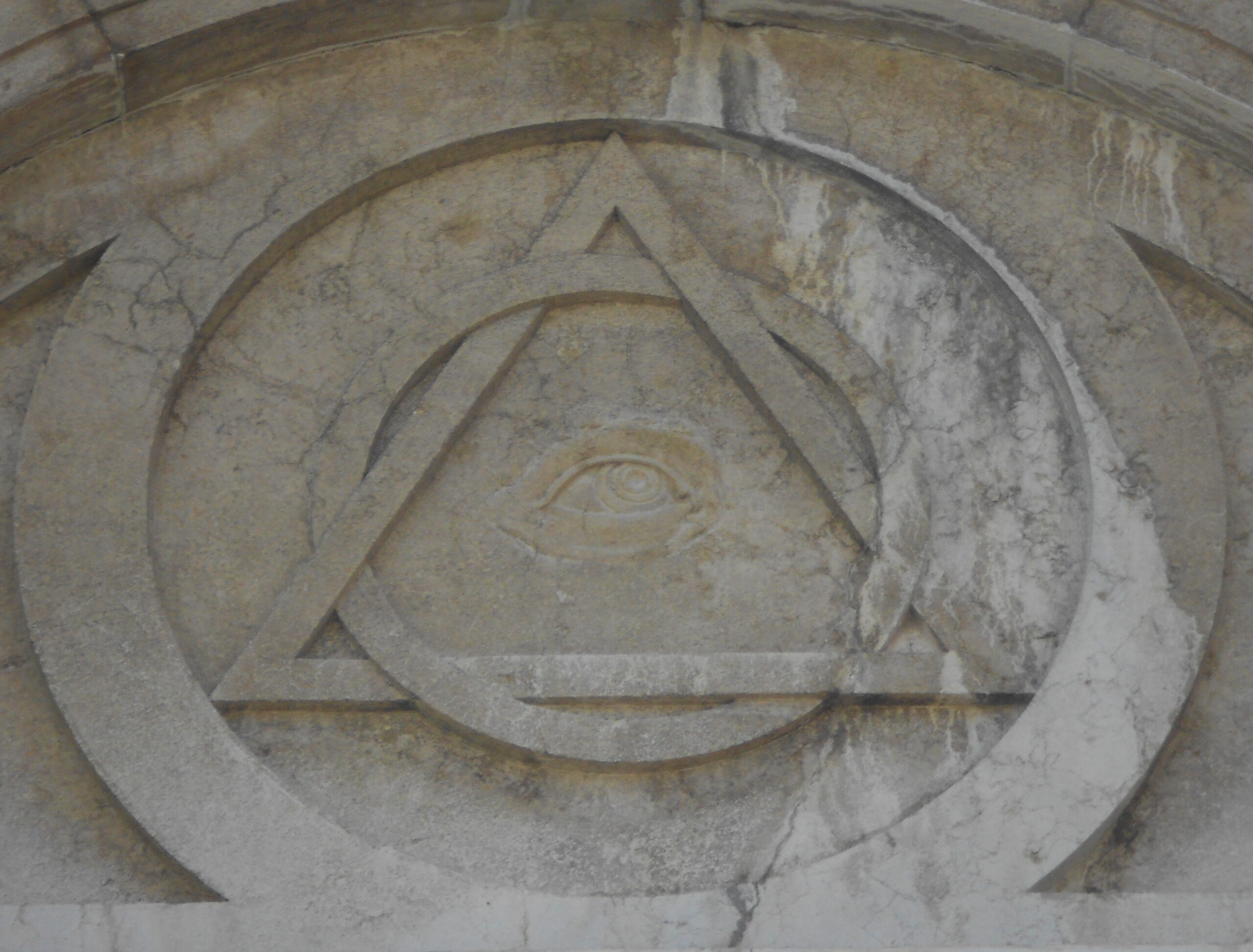
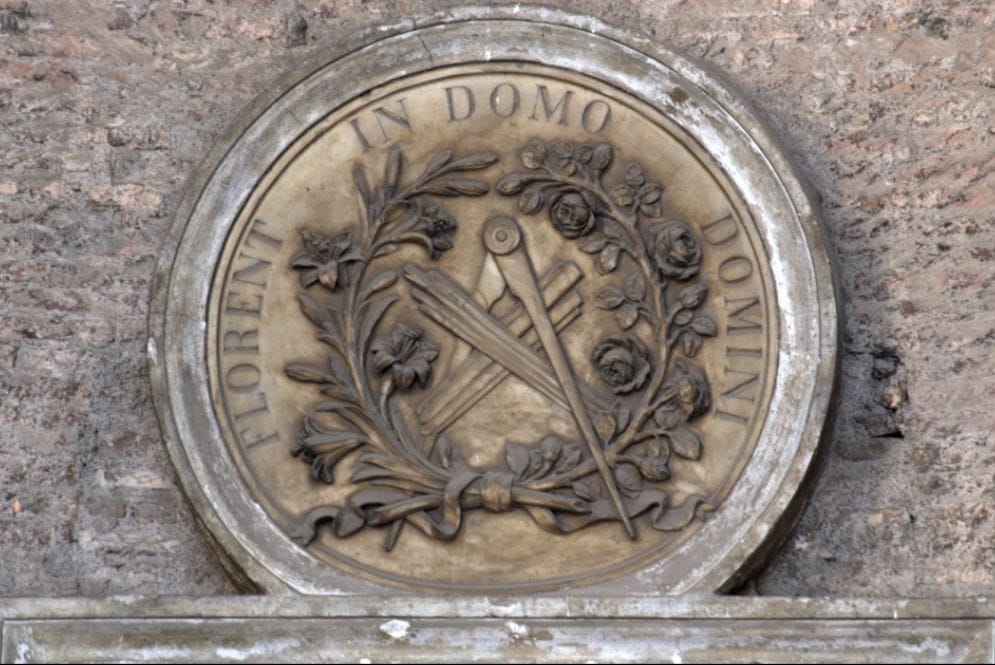
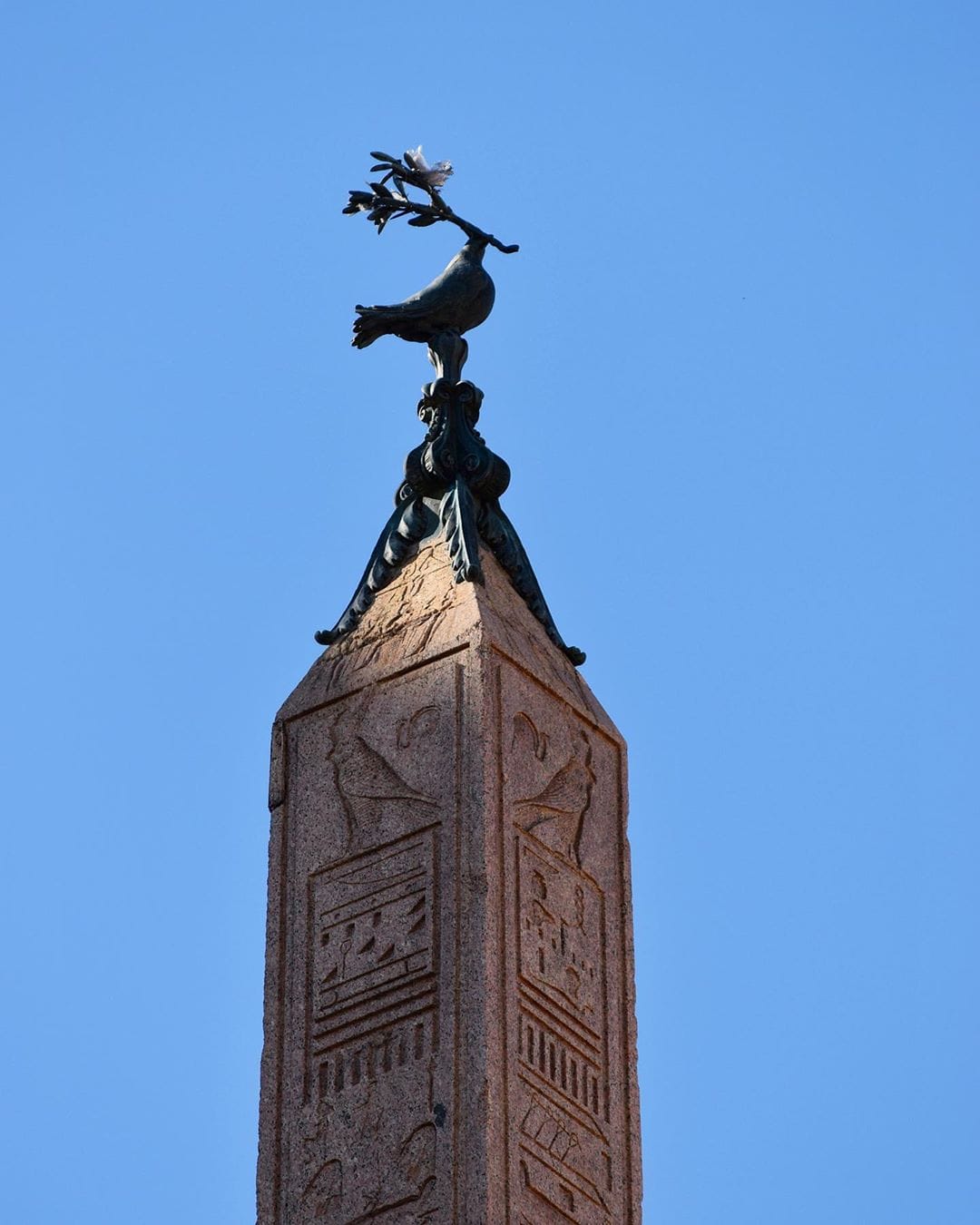
Depending on the itinerary, visitors may encounter symbols such as the square and compasses, the all-seeing eye, geometric patterns, stars, obelisks, columns, and allegorical sculptures commonly discussed in relation to Freemasonry.
Which areas of Rome are included?
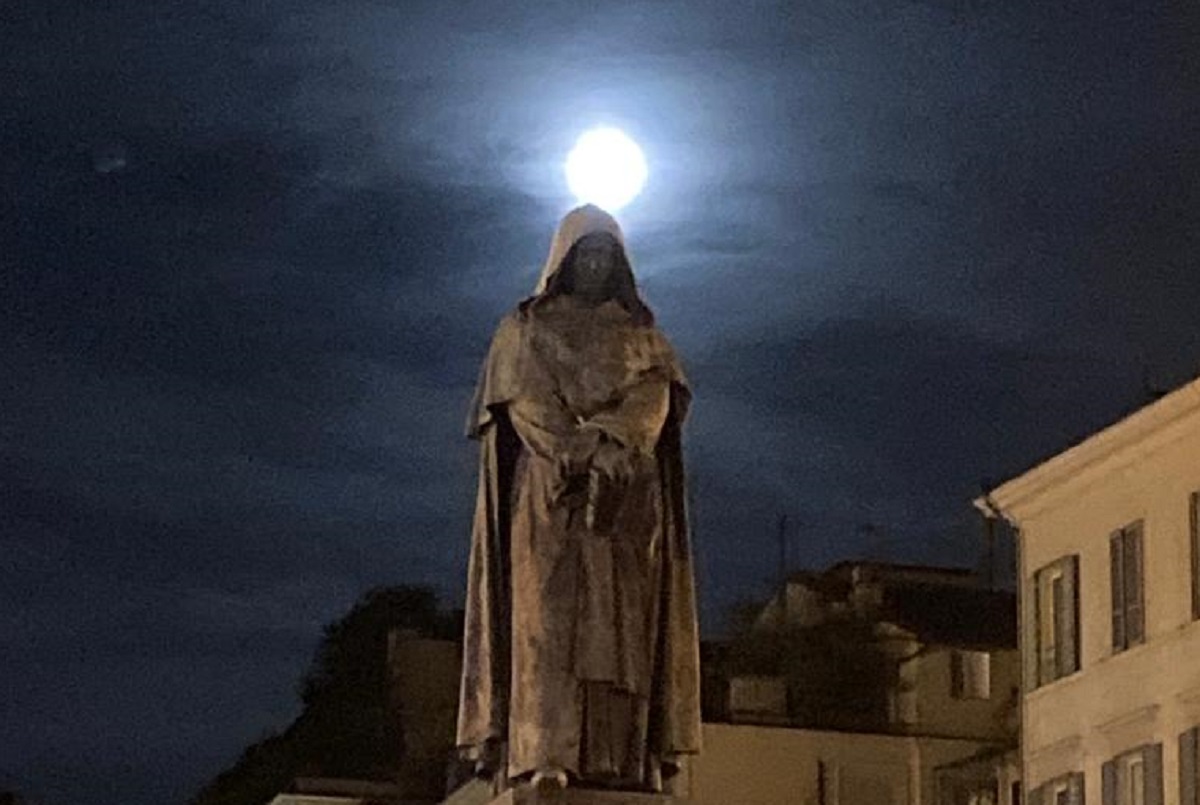
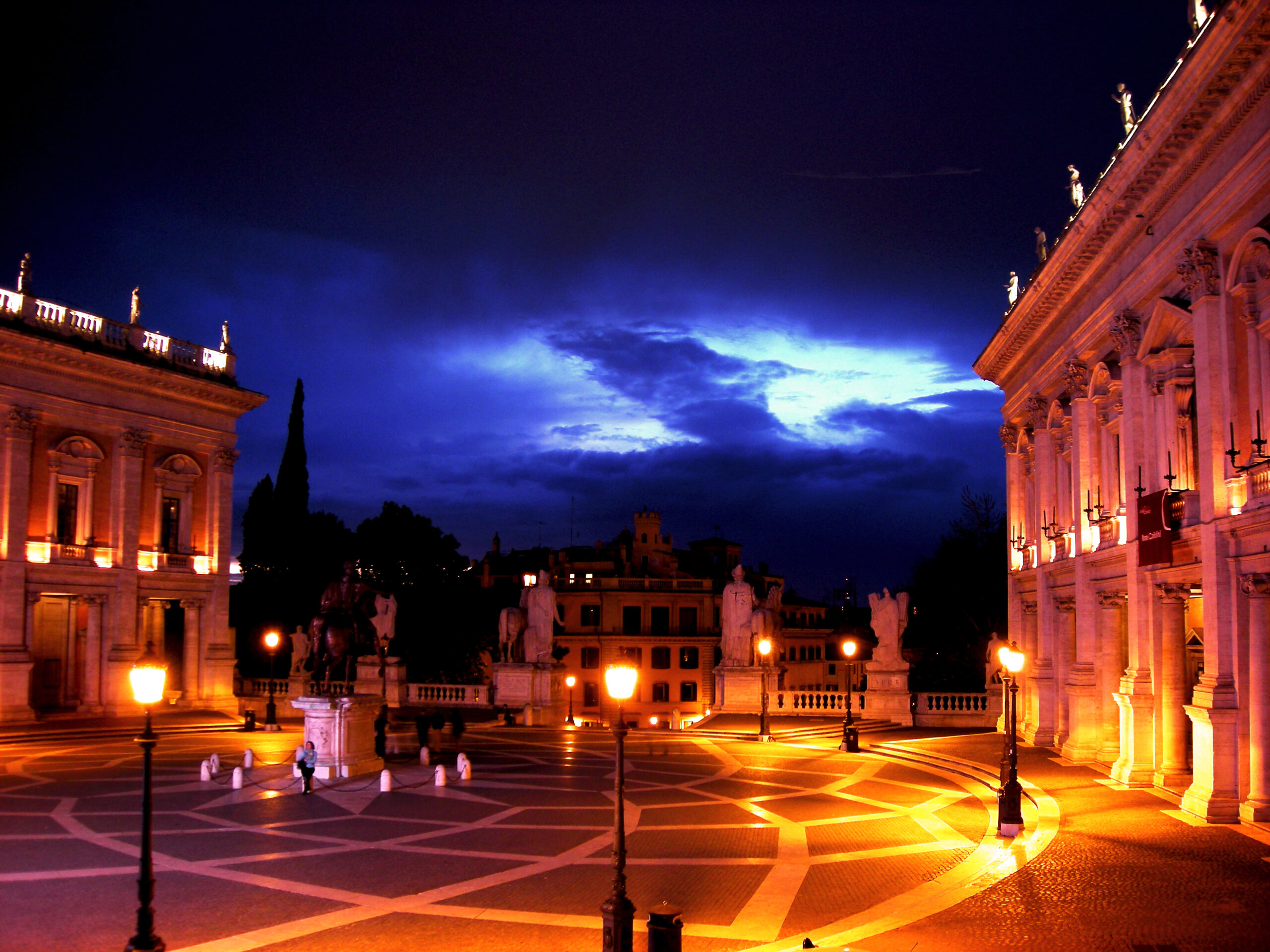
Routes vary, but many tours explore parts of the historic center, Piazza del Popolo, Campo Marzio, Piazza Venezia, and other locations connected with notable historical figures, architecture, and symbolic design.
Is the Masonic Tour suitable for first-time visitors?
Yes. Even visitors with no previous knowledge of Freemasonry can enjoy the tour thanks to clear explanations of its history, symbolism, and influence on European culture.
Do I need to know anything about Freemasonry before the tour?
No. The experience is designed for beginners as well as those already interested in esoteric history, symbolism, philosophy, or secret societies.
Is the tour only about conspiracy theories?
No. The primary focus is on documented history, architecture, symbolism, and cultural context. While some popular legends may be mentioned, they are presented separately from historically verified information.
How long does the Masonic Tour last?
Most guided tours last 2 to 3 hours, depending on the route and the number of locations included.
Is the tour suitable for families?
Yes. Older teenagers and adults interested in history, symbolism, architecture, and philosophy generally find the experience particularly engaging.
Can I take photographs during the tour?
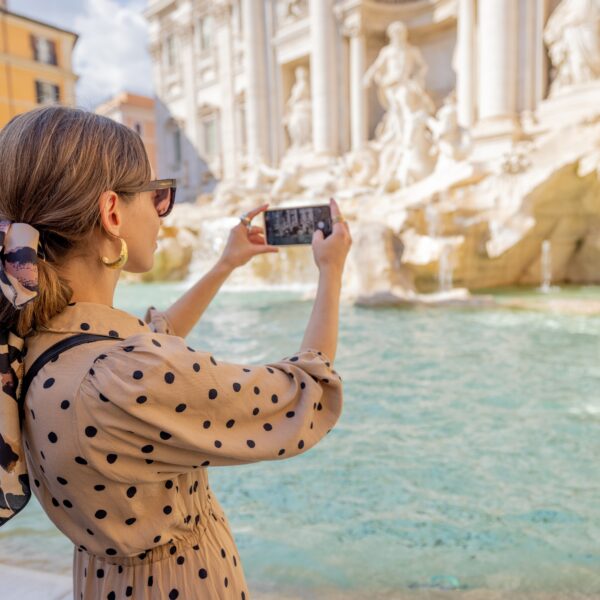
Yes. Photography is generally permitted in public areas visited during the tour, making it an excellent experience for visitors interested in architectural details.
Is the tour physically demanding?
No. Most itineraries involve moderate walking through Rome's historic center with regular stops for explanations.
Is the tour wheelchair accessible?
Many routes are accessible, although some historic streets feature uneven cobblestones that may present minor challenges.
What should I wear?
Comfortable walking shoes and weather-appropriate clothing are recommended, as the tour takes place primarily outdoors.
Is the Masonic Tour available in multiple languages?
Yes. Tours are commonly available in English, Italian, Spanish, French, German, Portuguese, and several additional languages.
Should I book the tour in advance?
Yes. Specialty themed tours often operate with smaller groups, making advance reservations advisable.
Can I combine this tour with other Rome experiences?
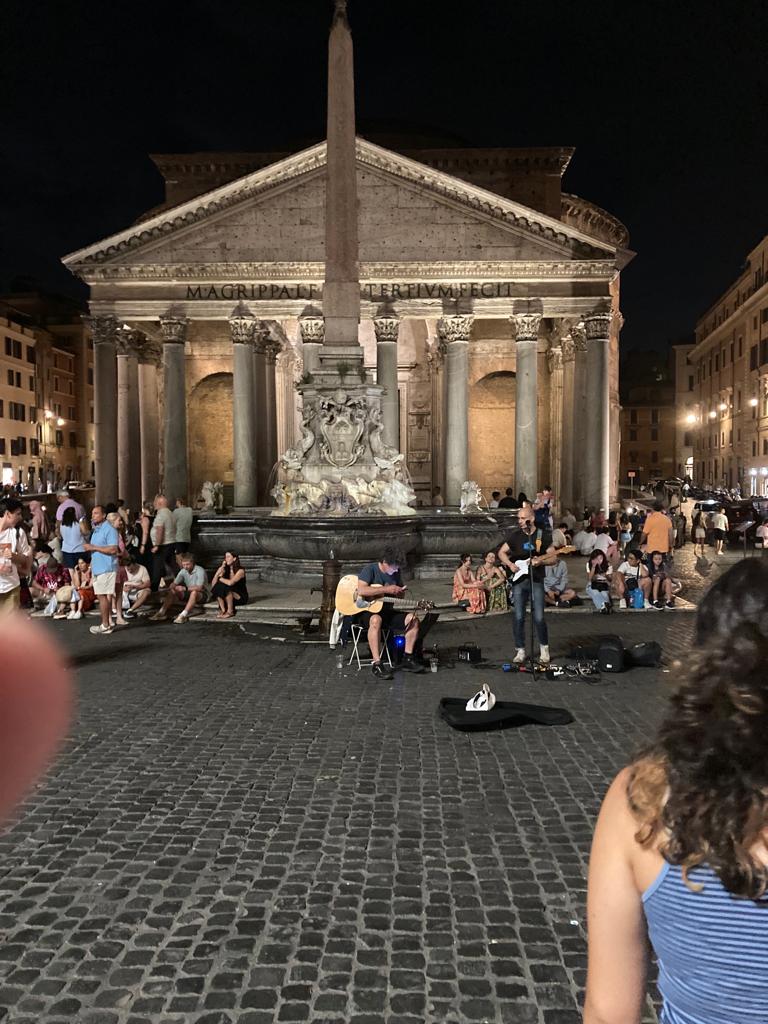
Absolutely. Many visitors combine the Masonic Tour with a Rome Walking Tour, Mysteries & Legends Tour, Ghosts of Rome Tour, Pantheon Guided Tour, or Castel Sant'Angelo.
Is the Masonic Tour of Rome worth it?
Absolutely. The tour offers a fascinating perspective on Rome by highlighting symbolic architecture, lesser-known historical stories, and cultural influences that many traditional sightseeing tours do not explore.
Who should choose the Masonic Tour of Rome?
This experience is ideal for history lovers, architecture enthusiasts, photographers, readers of esoteric history, cultural travelers, and anyone interested in discovering a different side of Rome beyond the classic tourist attractions.
Why choose the Masonic Tour of Rome?
The Masonic Tour of Rome reveals a hidden layer of the Eternal City's history through architecture, symbolism, philosophy, and historical research. Combining expert guidance with intriguing stories and remarkable monuments, it offers a unique experience for visitors seeking to explore one of Rome's lesser-known cultural narratives.