Discover One of Rome’s Most Mysterious Underground Treasures on Capuchin Crypt Rome Private Tour Hidden beneath an elegant Roman church lies one of the most extraordinary and mysterious places in the Eternal City — a crypt decorated with thousands of human bones, where art, faith, death, and eternity come together.
Welcome to the Mysterious Crypt of Bones in Rome Private Tour, an unforgettable journey into the fascinating world of the Capuchin friars and their extraordinary underground ossuary.
Located beneath the Church of Santa Maria della Concezione dei Cappuccini, near the famous Via Veneto, the Capuchin Crypt is one of Rome’s most unusual historical and religious attractions.
Unlike the magnificent churches, ancient temples, and Renaissance palaces that dominate Rome’s historic center, this mysterious underground sanctuary offers visitors a completely different perspective on the Eternal City.
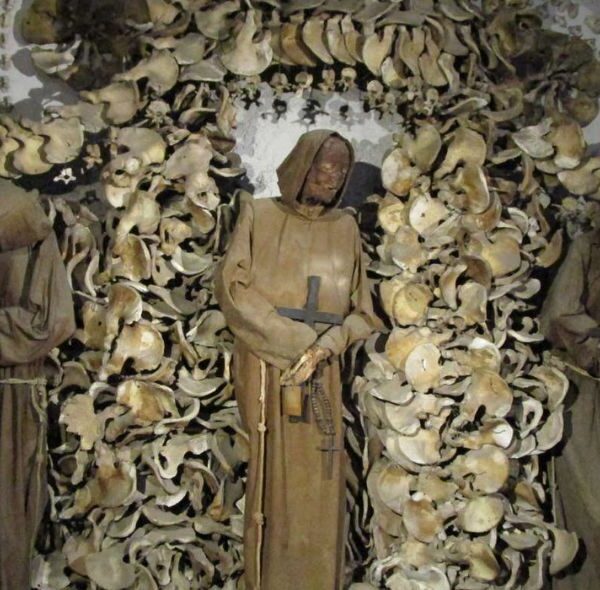
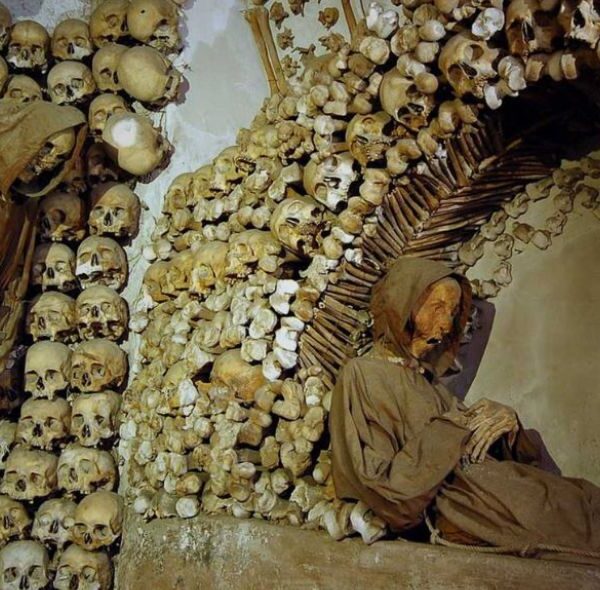
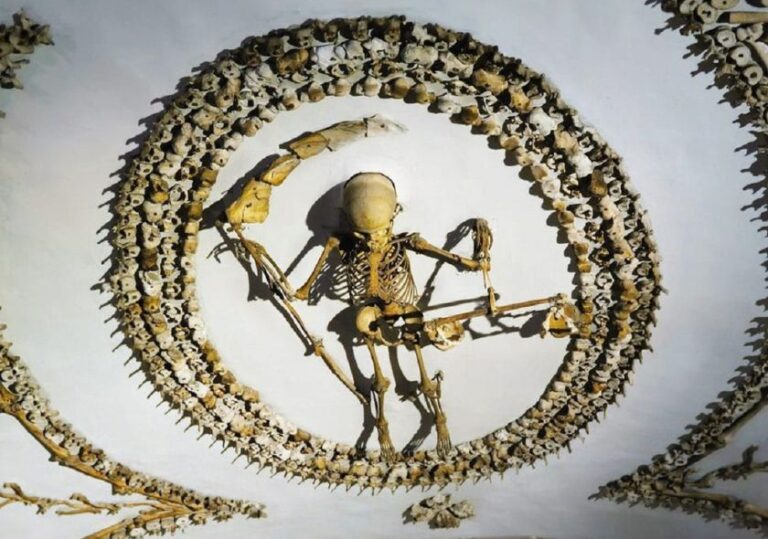
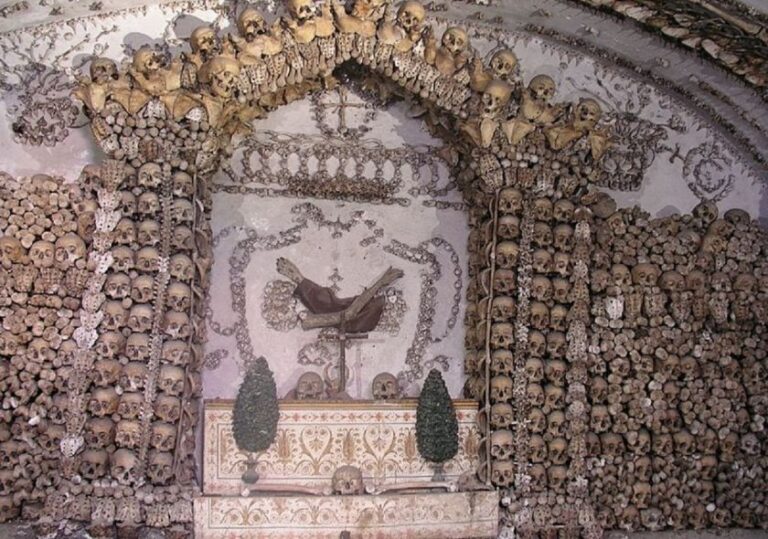
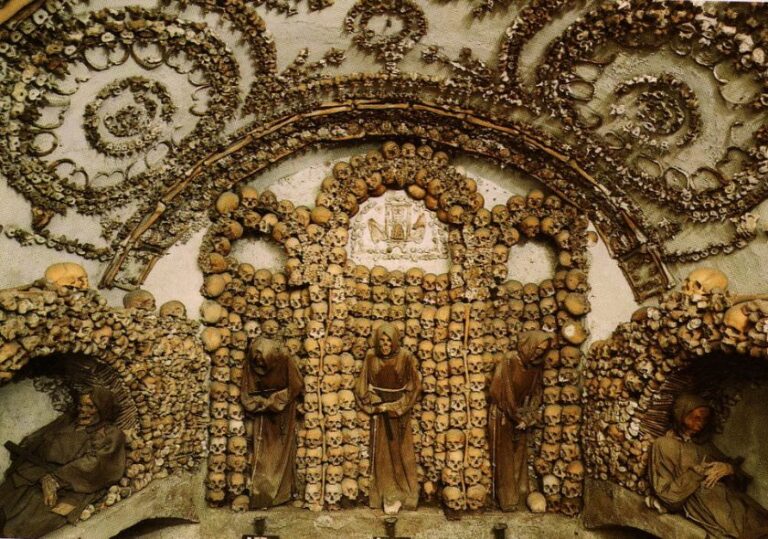
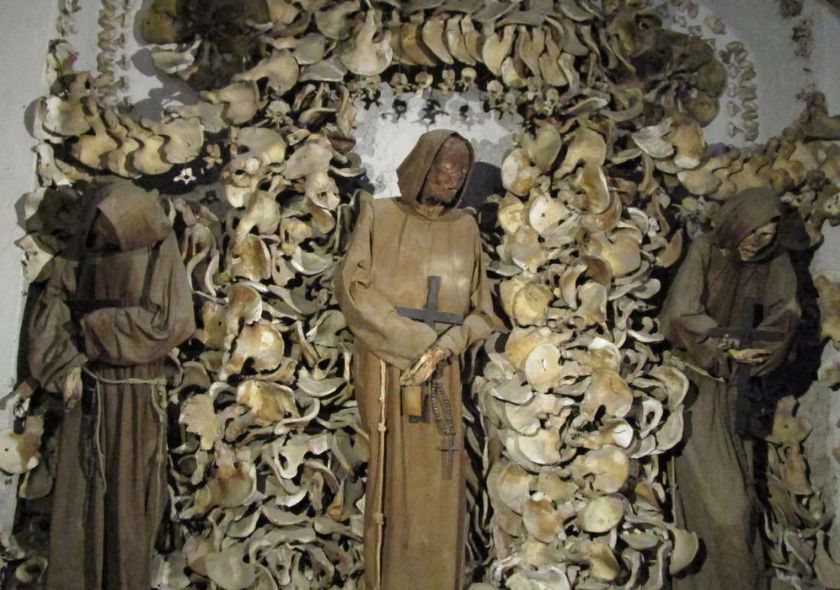
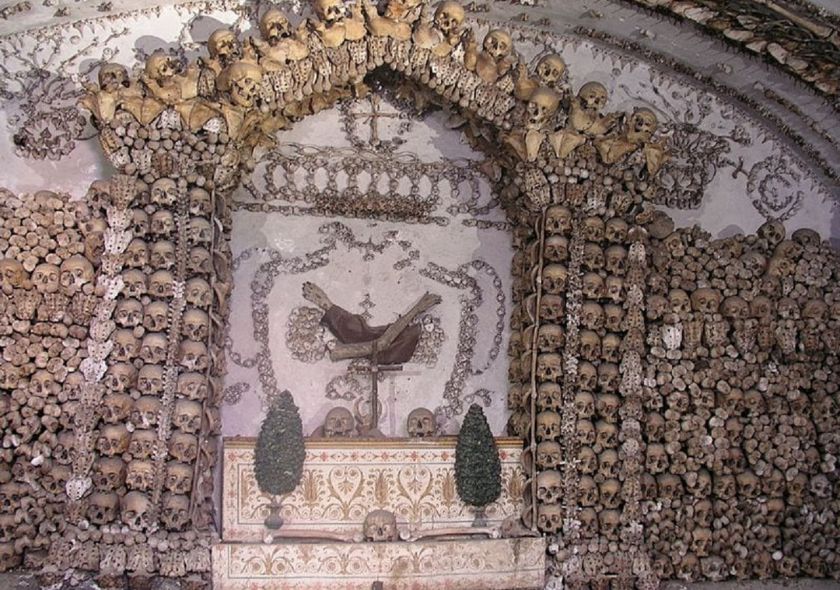
Here, human skulls, bones, and skeletal remains have been carefully arranged into intricate artistic compositions, creating an atmosphere that is both unsettling and deeply spiritual.
The crypt contains the remains of thousands of Capuchin friars, arranged in decorative patterns that reflect the Christian belief in mortality, resurrection, and eternal life.
During our private Capuchin Crypt tour in Rome, discover the remarkable history of this extraordinary site, explore the symbolism behind its unusual decorations, and learn about the religious traditions that inspired its creation.
This is not simply a visit to a mysterious underground cemetery.
It is an encounter with one of Rome’s most powerful expressions of the relationship between life, death, faith, and eternity.
Are you ready to discover the secrets hidden beneath Rome?
The Capuchin Crypt in Rome – A Hidden World Beneath the Eternal City
Rome is famous for its ancient ruins, monumental churches, and magnificent works of art.
However, beneath its streets and religious buildings lies another world — one filled with underground chambers, burial places, ancient traditions, and fascinating historical mysteries.
Among these hidden treasures, the Capuchin Crypt, also known as the Bone Chapel of Rome, stands apart for its extraordinary decorations and powerful spiritual message.
The crypt belongs to the Capuchin friars, a branch of the Franciscan religious order known for its commitment to poverty, simplicity, humility, and prayer.
The Capuchins believed that remembering death could encourage people to live with greater spiritual awareness.
This philosophy is reflected throughout the crypt.
Rather than concealing the remains of their deceased brothers, the friars arranged them into elaborate compositions that remind visitors of the temporary nature of earthly life.
Today, the Capuchin Crypt remains one of the most remarkable examples of religious funerary art in Italy.
During your private experience, your guide will introduce you to the historical and spiritual meaning of this extraordinary underground monument.
History of the Capuchin Crypt – Why Was It Decorated with Human Bones?
The Arrival of the Capuchin Friars
The story of the Capuchin Crypt begins in the seventeenth century.
In 1631, the Capuchin friars moved to their new convent beside the Church of Santa Maria della Concezione dei Cappuccini.
According to the historical tradition associated with the site, the friars transferred the remains of deceased members of their order from their previous burial place to the new location.
Rather than burying all the bones in conventional graves, the community gradually developed an unusual system of arranging skeletal remains within the underground chambers.
Over time, the crypt became an extraordinary religious space decorated with human bones.
The remains of approximately 3,700–4,000 individuals are traditionally associated with the ossuary.
The precise development of the decorations remains a subject of historical interest.
What is clear is that the crypt was never intended simply as a frightening attraction.
For the Capuchin friars, it represented a spiritual meditation on the meaning of human existence.
The bones served as a reminder that wealth, beauty, power, and social position eventually disappear.
Only the spiritual dimension of life was believed to endure.
The Five Chapels of the Capuchin Crypt
One of the most extraordinary features of the Capuchin Crypt in Rome is its series of five principal bone-decorated chapels.
Each chamber contains different arrangements of human remains, creating a unique combination of funerary art, religious symbolism, and architectural decoration.
As you discover the history of these chambers, you will encounter a visual language unlike anything found in Rome’s traditional museums and churches.
1. The Crypt of the Skulls – A Silent Reminder of Mortality
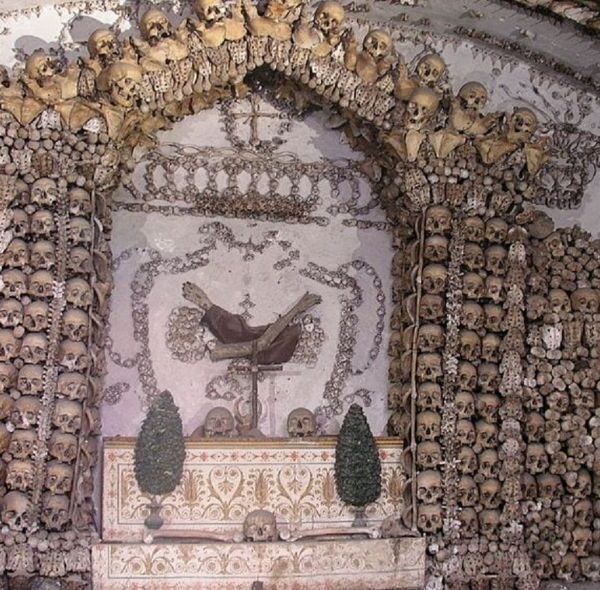
One of the most striking chambers is the Crypt of the Skulls.
Here, human skulls are arranged in elaborate patterns along the walls and ceiling.
The repeated shapes create an extraordinary visual composition that transforms human remains into a symbolic architectural decoration.
For visitors, the experience can be both fascinating and unsettling.
However, the arrangement was intended to communicate a profound spiritual message.
Every skull represents a human life that has ended.
The chamber reminds visitors that death is an inevitable part of the human condition, regardless of wealth, status, or personal achievements.
Your guide will explain the religious meaning behind these decorations and their connection to the Capuchin understanding of humility and mortality.
2. The Crypt of the Leg Bones and Thigh Bones
Another remarkable chamber contains carefully arranged leg bones and femurs.
The bones form geometric patterns, decorative structures, and unusual architectural compositions.
These arrangements demonstrate the extraordinary creativity involved in transforming skeletal remains into symbolic religious art.
The chamber also reflects the traditional Christian concept of memento mori, a Latin expression meaning:
Remember that you must die.
This philosophy encouraged believers to reflect on the temporary nature of earthly existence and the importance of spiritual preparation.
3. The Crypt of the Pelvises
The Crypt of the Pelvises is another extraordinary example of the ossuary’s unusual decorative style.
Human pelvic bones are arranged into intricate patterns along the walls and ceilings.
The compositions create a striking visual effect that combines anatomical forms with religious symbolism.
Visitors often find this chamber particularly memorable because of the unexpected transformation of human remains into decorative elements.
Behind the unusual appearance lies the same central message found throughout the crypt: human life is temporary, and death is a universal experience.
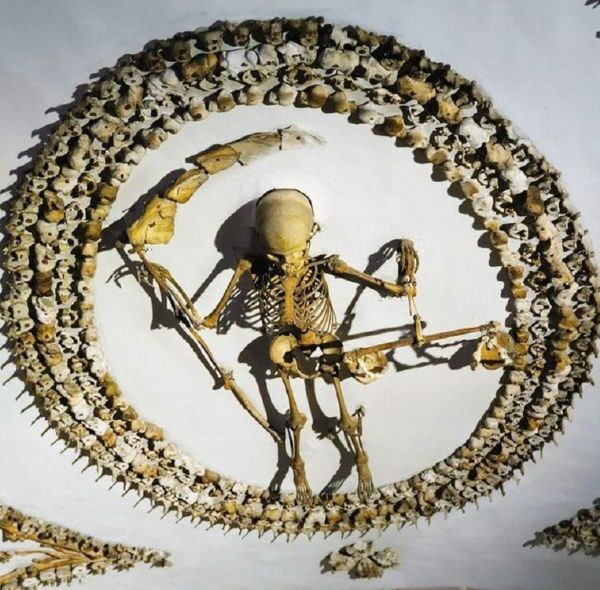
4. The Crypt of the Three Skeletons
One of the most symbolically powerful chambers is the Crypt of the Three Skeletons.
This room contains skeletal figures arranged within an elaborate decorative composition.
One of its most recognizable features is a small skeleton holding symbolic objects associated with death and the passage of time.
The imagery emphasizes the fragility of human life and the inevitability of mortality.
The chamber is particularly fascinating for visitors interested in religious symbolism, funerary art, and the history of Christian spiritual traditions.
5. The Crypt of the Resurrection
The Crypt of the Resurrection introduces another important element of Christian belief.
Its decorations reflect the relationship between death and the hope of resurrection.
The chamber reminds visitors that, within Christian theology, death is not understood simply as an ending but as part of a broader spiritual journey.
This religious interpretation provides essential context for understanding the entire Capuchin Crypt.
What might initially appear to be a frightening underground cemetery is, in fact, a carefully constructed expression of faith.
The Mysterious Bone Decorations – Skulls, Chandeliers and Geometric Patterns
One of the most fascinating aspects of the Rome Bone Chapel is the extraordinary variety of decorations created using human remains.
Throughout the crypt, bones have been arranged into elaborate patterns resembling flowers, geometric figures, architectural ornaments, and decorative structures.
Some arrangements resemble chandeliers suspended from the ceilings.
Others form intricate compositions along the walls.
The effect is both artistic and deeply unsettling.
The contrast between the delicate decorative patterns and the reality of the materials used makes the Capuchin Crypt one of Rome’s most unusual cultural experiences.
The decorations invite visitors to reflect on a fundamental question:
Can something associated with death also become an expression of beauty, faith, and spiritual meaning?
During your private tour, discover how the Capuchin friars transformed the physical remains of their deceased brothers into a powerful visual meditation on human mortality.
The Mysterious Message of the Capuchin Crypt
“What You Are Now, We Once Were…”
Perhaps the most famous element associated with the Capuchin Crypt is its haunting message:
“What you are now, we once were; what we are now, you shall be.”
This traditional inscription expresses the central philosophy of the ossuary.
It reminds every visitor that the distinction between the living and the dead is temporary.
The people whose remains now decorate the crypt once lived ordinary human lives.
They experienced happiness, suffering, friendship, faith, and the passage of time.
Today, their bones serve as a reminder of the destiny shared by all human beings.
The message is not intended merely to frighten visitors.
Instead, it encourages reflection on the meaning of life and the importance of humility.
For centuries, the concept of memento mori has influenced religious art, philosophy, literature, and architecture.
The Capuchin Crypt offers one of the most extraordinary physical expressions of this tradition.
Is the Capuchin Crypt in Rome Haunted?
Legends, Mystery and the Atmosphere of the Underground Ossuary
With its dimly lit chambers, thousands of human bones, and extraordinary decorations, it is hardly surprising that the Capuchin Crypt has inspired mysterious stories and supernatural speculation.
Some visitors describe the experience as unsettling.
Others find the atmosphere peaceful, spiritual, and deeply moving.